Cold Wallet Security: Misconceptions and Emerging Risks
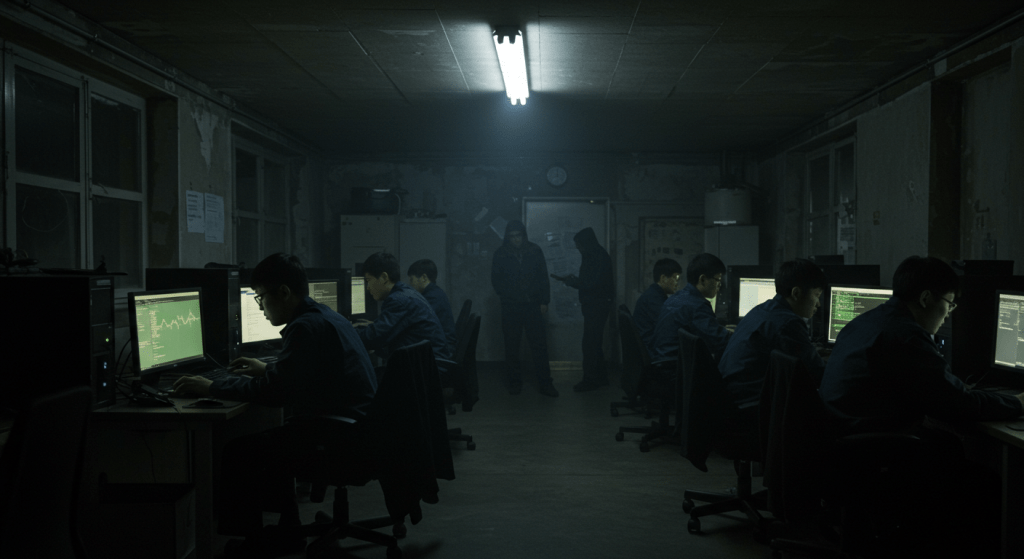
Recent security breaches have led to significant losses across trading platforms. In the Bybit incident, hackers forged front-end interfaces to deceive users into authorizing transactions, stealing over 400,000 ETH worth more than $1 billion. Cold wallets, which store significant assets, have become a prime target. Attackers are no longer focused solely on hot wallets. They now use advanced tactics to compromise cold storage, including phishing emails, fake authorization pages, and manipulated transaction signatures. These methods bypass traditional security measures and expose hidden risks.
Many believe keeping a cold wallet offline ensures absolute security.
However, most cold wallets must interact with external devices to sign transactions, which creates a weakness that attackers can exploit. If signing occurs in a compromised environment, the wallet remains vulnerable.
Offline storage alone does not eliminate risk. As attack strategies evolve, institutions and individuals must strengthen security frameworks with multi-layered protection.

Building a More Secure Cold Storage System
As threats become more sophisticated, the industry is refining cold storage solutions. Cactus Custody strengthens security beyond physical isolation to ensure long-term asset protection.
Fully Isolated Cold Storage Architecture
Cactus Custody’s cold storage system is entirely separate from networks. It uses hardware security modules (HSM) that meet FIPS 140-3 Level 3 security standards to protect private keys. Signing devices operate in a fully controlled offline environment, preventing unauthorized access at the source.
Multi-Layer Risk Controls with Zero Trust Security
Cactus Custody implements a distributed private key management system. Key fragments are stored across multiple financial-grade data centers with strict multi-party verification, and no single entity can complete a transaction alone.
Independent Multi-Step Verification prevents unauthorized transactions.
Restricted Transaction Permissions minimize errors and prevent blind signing.
Decentralized Storage Architecture eliminates single points of failure, ensuring system stability even if some nodes are compromised.
Strict Internal Controls for Maximum Security
Cactus Custody follows the highest security standards. Certified by Deloitte SOC 2 Type 2, it conducts multi-level audits and risk assessments to ensure system integrity and transparency. Every system upgrade follows financial-grade security protocols, including development, testing, independent audits, code scanning, simulation testing, and multi-location approval.
Proactive Security Training for Stronger Defense
Technology alone cannot prevent breaches. Cactus Custody provides regular security training for clients and internal teams, including phishing attack simulations and scenario-based risk strategy reviews. Real-time monitoring and data analytics continuously improve security measures against evolving threats.
From Crisis to Trust
Cold storage security extends beyond physical isolation. It depends on a comprehensive security framework, rigorous risk controls, and continuous vigilance. Strengthening these layers is essential for long-term asset protection as threats evolve. Cactus Custody remains committed to advancing security standards and best practices in digital asset custody.
Protect your digital assets with confidence. Contact us for a tailored cold storage solution.